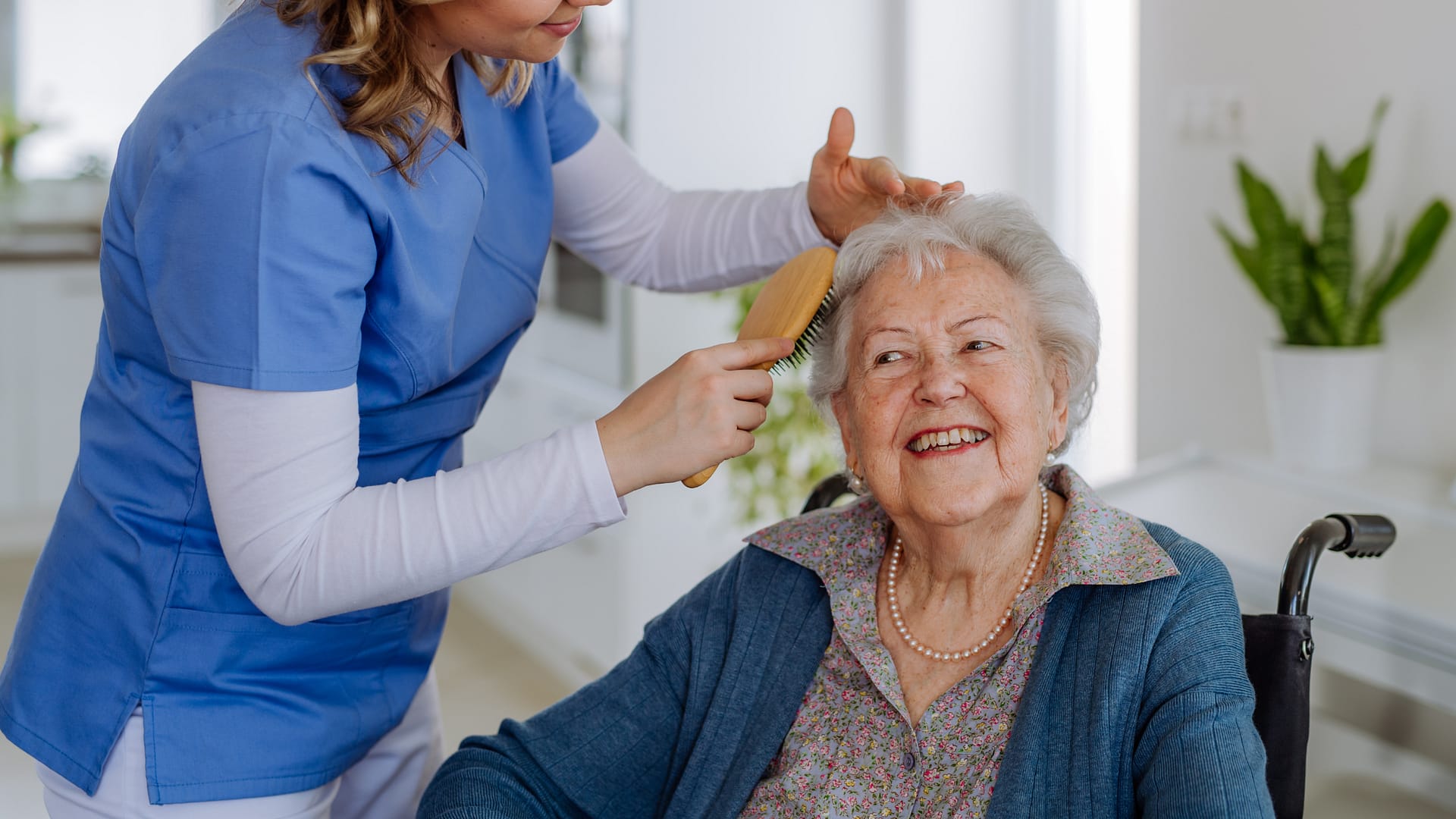

When someone approaches the end of their life, comfort, dignity and emotional wellbeing become more important than ever. For many individuals and their families, receiving end-of-life care at home offers the opportunity to spend precious time together in familiar and peaceful surroundings.
End-of-life care focuses on managing symptoms, relieving discomfort and providing emotional and practical support during the final stages of life. With the right care and professional guidance, remaining at home can help individuals feel comfortable, respected and surrounded by the people and things they love.
In this article, we explore the key benefits of choosing end-of-life care at home and how it can support both individuals and their families.
Comfort and Familiar Surroundings
One of the main benefits of receiving end-of-life care at home is the comfort of being in a familiar environment. Home is often filled with treasured memories, personal belongings and a sense of security. Being surrounded by familiar sights, sounds and routines can help reduce anxiety and provide reassurance during a challenging time.
Individuals can rest in their own bed, listen to their favourite music and enjoy the comfort of their usual surroundings. These small details can make a meaningful difference to their overall wellbeing.
Maintaining Dignity and Independence
End-of-life care at home can help individuals maintain a sense of independence and control over their daily lives. Where possible, they can choose when to rest, what to eat and how to spend time with loved ones. Personal routines, cultural preferences and spiritual beliefs can also be incorporated into their care.
Respecting an individual’s wishes is essential to preserving their dignity. A personalised approach ensures that their needs, preferences and values remain at the centre of every decision.
More Quality Time with Loved Ones
Spending time with family and friends is often one of the most important aspects of end-of-life care. Being at home can make it easier for loved ones to share meaningful moments, whether that involves talking, looking through photographs, listening to music, or simply sitting together.
These everyday experiences can become treasured memories for families. A familiar home environment may also allow visits to feel more relaxed and personal, helping individuals remain connected to the people who matter most.
Personalised Care and Symptom Management
With appropriate professional support, care at home can be tailored to an individual’s symptoms, medical needs and personal preferences. Support may include personal care, medication management, mobility assistance and help with symptoms such as pain, breathlessness or anxiety.
Healthcare professionals, including district nurses, GPs and specialist palliative care teams, can help develop and review a care plan as needs change. The aim is to provide comfort and relief while ensuring individuals receive appropriate care. If symptoms become difficult to manage at home, additional support or an alternative care setting may be needed.
Emotional Support for Individuals and Families
The end of life can bring difficult emotions for everyone involved. Individuals may experience anxiety or uncertainty, while family members may struggle with anticipatory grief and concerns about their loved one’s wellbeing. Receiving care at home may provide reassurance through familiar surroundings and the presence of trusted people.
Professional healthcare teams can also offer guidance, answer questions and help families understand what to expect. Access to emotional support and bereavement services can be valuable both during the final stages of life and afterwards.
Families should remember that they do not have to manage everything alone. Seeking professional help is an important part of providing safe and compassionate care.
Planning for End-of-Life Care at Home
Careful planning can help make the experience more manageable and ensure the right support is available.
Important steps include:
- Speak to healthcare professionals: Discuss the individual’s wishes and whether home-based care is suitable.
- Arrange appropriate support: Understand what nursing, personal care and specialist palliative care services are available.
- Prepare the home: Consider equipment or adaptations that may improve comfort and safety.
- Create a care plan: Keep medication information, important contact details and instructions easily accessible.
- Discuss personal wishes: Make sure the individual’s preferences are understood and respected.
- Review arrangements regularly: Adapt the care plan as needs and circumstances change.
Is End-of-Life Care at Home Right for Everyone?
Although home-based care offers many benefits, it is not the right choice for every individual. Some people may require specialist medical support or symptom management that cannot be provided safely at home. Others may feel more comfortable in a hospice, where specialist staff and additional facilities are available.
The decision should always consider the individual’s wishes, clinical needs, family circumstances and access to professional support. The priority is to ensure that the individual receives compassionate, appropriate care in the environment best suited to their needs.
Conclusion
Choosing end-of-life care at home can provide comfort, familiarity and opportunities for meaningful time with loved ones. It can help individuals maintain dignity, preserve personal routines and receive care that reflects their wishes and preferences.
With appropriate professional support and careful planning, families can feel more confident about caring for someone they love during this important stage of life. For many individuals, home offers a familiar and meaningful place to spend their final days, surrounded by love, cherished memories and the people who matter most.